FOR TRAVEL AGENCIES · 5 MIN READ
Working with a Nepal ground operator: a guide for overseas travel agencies
What a Nepal ground operator handles for your clients, the documents to ask for and how to compare quotes before you sell a trek.
What a ground operator does for your clients
A Nepal ground operator runs the parts of a trip you can’t easily manage from overseas. That usually means airport transfers, hotels in Kathmandu and Pokhara, domestic flights or road transport, permits, licensed guides, porters, teahouse stays and help when plans change on the trail. Your agency keeps the client relationship and the sale. The operator delivers the trip on the ground. Himalayan Eventures is a registered Nepali company based in Lalitpur and we work with overseas agencies in exactly this way.
Check registration and guide licensing first
Nepal requires trekking agencies to be registered and its published TIMS rules say trekkers in specified protected areas need a licensed guide arranged through a registered agency. Before you sell, ask any Nepal partner, including us, for current company registration and licence documents and check the expiry dates. Ask how guides are licensed and trained, what first-aid training they hold and how many trekkers each guide leads. Your clients’ safety and your agency’s reputation depend on these answers.
Read Nepal’s official TIMS and licensed-guide rulesGet a written quote you can compare
Ask for an itinerary showing each night’s sleeping altitude, daily walking hours and built-in rest days. The quote should list exactly what is included: guide, porter ratio, accommodation standard, meals, permits, transfers and domestic flights. It should also list what isn’t included and state the currency, deposit, payment timing and cancellation terms. Two quotes for ‘Everest Base Camp in 12 days’ can describe very different trips. We set all of this out in writing before anything is confirmed.
Agree how emergencies are handled
Ask the operator to explain, step by step, what happens if a client gets altitude sickness, is injured or can’t continue. Who decides on a descent? How is a helicopter evacuation arranged? How does the operator work with the client’s insurer and who pays at the time? Agree how your agency will be told, day or night. Write the process down and share the relevant part with your clients before they travel.
Plan around time zones and flight delays
Nepal is UTC+5:45 and doesn’t use daylight saving. That puts Kathmandu several hours ahead of London, behind Sydney and around ten hours ahead of New York. Agree a response time and a backup contact that suits your office hours. Mountain flights, especially to Lukla, are often delayed by weather, so build a spare day into the end of every high-mountain itinerary before the international flight home.
Start with one route and one test booking
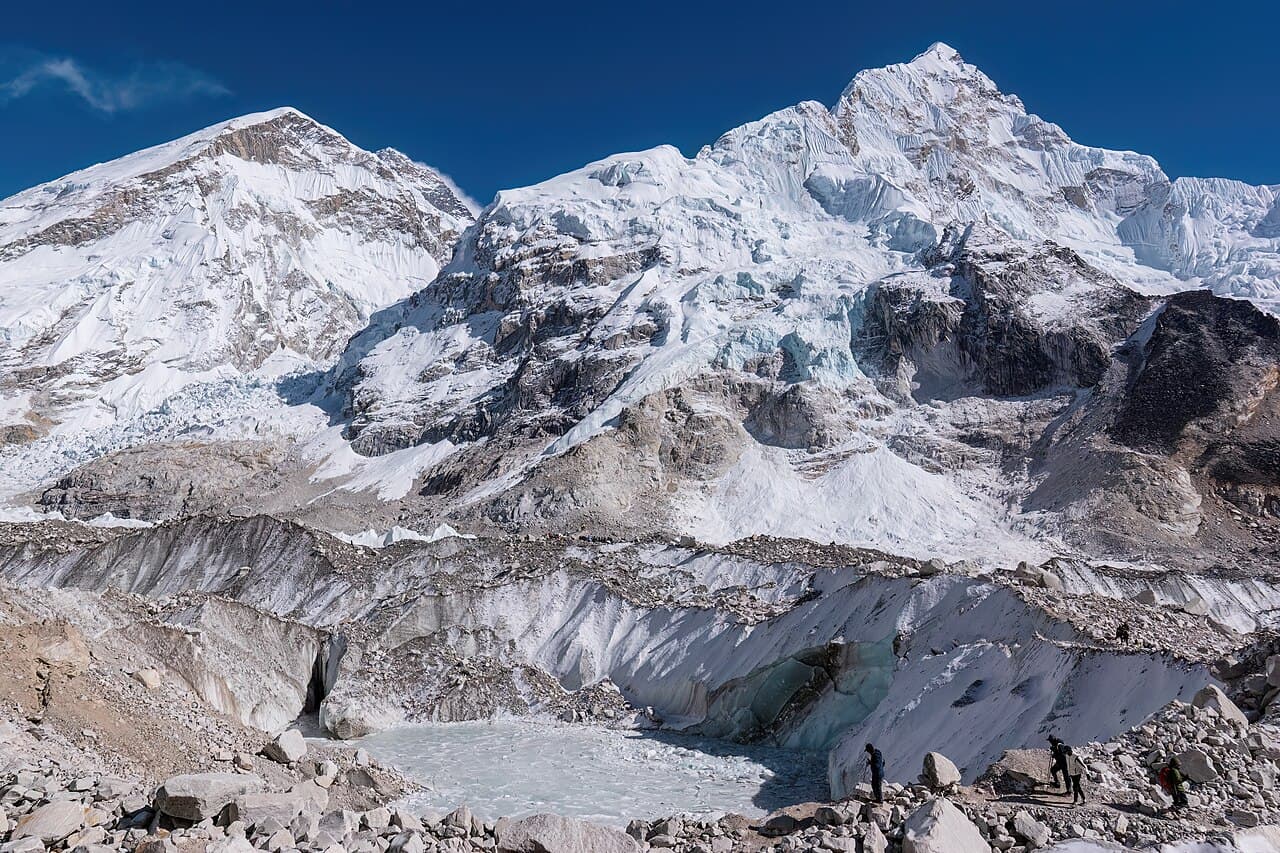
Pick one well-known route your clients already ask about, such as Everest Base Camp, Annapurna Base Camp or Ghorepani Poon Hill. Ask us for a sample itinerary and quote and go through it with your product team. Use our trek catalog to compare durations, highest points and typical budgets. When you’re ready, contact us through the Contact page or at info@himalayaneventures.com with your market, group sizes and preferred dates.
Notes from the Himalayan Eventures planning journal. Trip examples and prices are estimates; we confirm your itinerary and price in your quote.
Ready to explore your options? Compare Nepal trekking routes or find a trek that fits your holiday.